
Summary
Not sure which massage is right for you? Learn how lymphatic drainage massage is different from regular massage, what each one does, and which might be a better fit for your needs. We’ll also cover their benefits, safety tips, and what you can expect during a session.
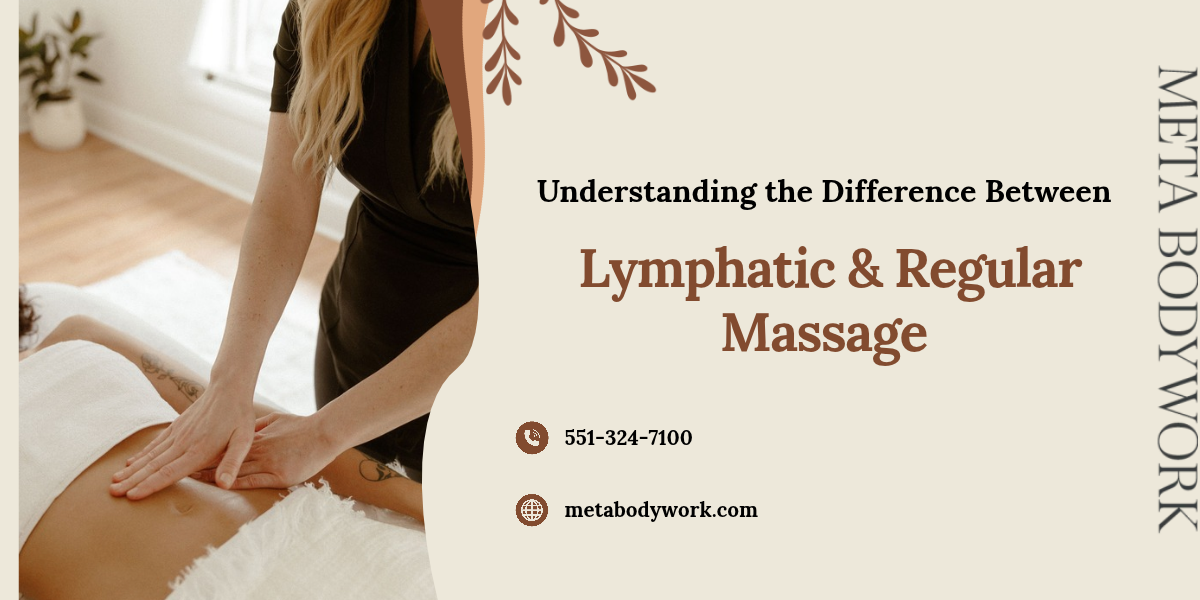
Introduction
Ever booked a massage hoping to feel better, only to wonder whether you chose the right treatment?
Maybe your shoulders feel stiff after hours at your desk. Or perhaps you’ve noticed persistent puffiness and want to know whether lymphatic drainage massage could help.
While both treatments involve therapeutic touch, they serve different purposes. One focuses on easing muscle tension, while the other encourages fluid movement through the lymphatic system.
Understanding how they work can help you make a more informed decision before your next appointment.
What Is Lymphatic Drainage Massage?
Your lymphatic system is a network of vessels and lymph nodes that collects excess fluid from tissues, supports immune function, and returns fluid to the bloodstream.
When this process is disrupted by certain medical conditions, surgery, or damage to lymphatic vessels, fluid can accumulate and cause swelling.
That’s where a lymph drainage massage may help.
Also known as manual lymphatic drainage (MLD), this specialized technique uses light, rhythmic movements to encourage fluid toward functioning lymphatic pathways.
Unlike traditional massage, it doesn’t involve deep pressure or vigorous muscle kneading.
What Are The Benefits of Lymphatic Drainage Massage?
When used appropriately, this treatment may:
- Manage swelling: Help reduce fluid buildup associated with lymphedema.
- Ease discomfort: Relieve feelings of heaviness or tightness caused by swelling.
- Support recovery: Complement certain postoperative care plans with medical approval.
- Reduce facial puffiness: Temporarily improve puffiness related to fluid retention.
- Encourage relaxation: Offer a calming experience through gentle, repetitive movements.
However, people with healthy lymphatic systems may not experience significant physical changes.
What Is Regular Massage, And How Does It Work?
Think about the tightness in your neck after spending an entire day working on your laptop. That’s the kind of discomfort regular massage is commonly used to address.
Traditional massage focuses on muscles and soft tissues through techniques such as kneading, gliding, stretching, and applying pressure.
Two common approaches include
- Swedish massage: Uses long, flowing strokes and gentle to moderate pressure. It's a popular choice for anyone seeking a relaxing massage after a stressful week.
- Deep tissue massage: Uses slower, firmer movements to address areas of persistent muscle tension.
Regular massage therapy may provide short-term relief from certain types of muscle pain and stiffness.
According to the National Center for Complementary and Integrative Health (NCCIH), research suggests massage may help with some types of neck, shoulder, and lower-back pain, although benefits and evidence quality vary.
Lymphatic Drainage Massage vs. Regular Massage: What Are the Key Differences?
Both treatments can feel soothing, but their goals and techniques differ.
Feature | Lymphatic drainage | Regular massage |
Main focus | Lymph fluid movement | Muscles and soft tissues |
Pressure | Very Light | Gentle to firm |
Technique | Slow, rhythmic skin movements | Kneading, gliding, and stretching |
Primary Benefit | Managing certain types of swelling | Easing tension and promoting relaxation |
Best Suited For | Specific fluid-related concerns | Muscle stiffness and everyday stress |
One key difference is how pressure is applied. Since many lymphatic vessels lie close to the skin’s surface, lymphatic drainage uses light, rhythmic movements to encourage fluid flow.
Regular massage, on the other hand, may involve firmer pressure to ease muscle tension.
Ultimately, it’s not about which massage is stronger, but what each treatment is designed to do.
Can Lymphatic Drainage Massage Reduce Facial Puffiness?
You’ve probably seen social media videos promising a more sculpted jawline and a less puffy face after just one lymphatic drainage massage session.
But how much of that is actually true, and do the results last?
Lymphatic drainage massage uses gentle, rhythmic movements to encourage the natural flow of lymphatic fluid. This technique may help temporarily reduce facial puffiness caused by fluid buildup, leaving the face looking less swollen.
However, it’s important to have realistic expectations. While some people may notice a subtle improvement in facial appearance, the results are generally temporary and vary from person to person.
Lymphatic drainage massage cannot permanently reshape your jawline, change your facial structure, or eliminate facial fat. Claims of dramatic facial transformations after a single session aren’t supported by convincing scientific evidence.
If you’re considering this treatment, focus on its potential benefits for temporary puffiness rather than expecting a permanent change in your appearance. Persistent or unexplained facial swelling should be evaluated by a healthcare professional.
Can Lymphatic Massage Help With Post-Surgery Swelling?
Swelling is a common part of recovery after many surgical procedures.
In selected cases, healthcare professionals may recommend manual lymphatic drainage to help manage fluid accumulation.
However, not every surgery requires this treatment, and research findings differ depending on the procedure.
Always obtain your surgeon’s approval before booking a postoperative session. The right timing and technique depend on your health and recovery progress.
What Should You Expect During Your Session?
If you’re familiar with traditional massage, your first lymphatic session might feel surprisingly subtle.
A qualified therapist usually begins by discussing your health history, symptoms, and treatment goals.
During the appointment, you can expect:
- An initial consultation: Your therapist reviews your concerns and determines whether treatment is appropriate.
- Gentle movements: Light, rhythmic pressure is applied along specific lymphatic pathways.
- A comfortable experience: Treatment should not involve painful or forceful manipulation.
- Individual results: Some people notice reduced swelling, while others may need ongoing treatment or experience little change.
For diagnosed lymphedema, manual lymphatic drainage is often combined with compression, exercise, and skin care.
Which Massage Should You Choose?
Consider lymphatic drainage if:
- You're managing diagnosed lymphedema under professional guidance.
- Your healthcare provider recommends it after surgery.
- You're exploring treatment for fluid-related puffiness.
Consider regular massage if:
- Your shoulders, neck, or back frequently feel tight.
- You're experiencing everyday muscle stiffness.
- You're looking for a relaxing massage to unwind and manage stress.
Both treatments have their own benefits, but choosing the right massage therapy depends on your needs and health concerns. Before booking a session, it’s also important to understand whether the treatment is safe for you.
Is Lymphatic Massage Safe For Everyone?
Although gentle, this technique isn’t suitable for every health condition.
People with blood clots, active infections, certain heart or kidney conditions, or unexplained swelling should seek medical advice before treatment. Sudden swelling, particularly with pain or redness, requires medical evaluation. Chest pain or difficulty breathing alongside swelling warrants emergency care.
A properly trained therapist should review your health history and explain any precautions before beginning treatment.
Looking For The Right Massage Therapist in Jersey City?
If you’re searching for lymphatic drainage massage in Jersey City, choosing a therapist with the right training and experience is essential.
At META Bodywork, we understand that every body has different needs. Our approach focuses on personalized care to help you find a massage experience that aligns with your wellness goals.
Ready to prioritize your well-being? Contact META Bodywork in Jersey City to learn more about our massage services and find the right option for your needs.
Final Thoughts
Choosing the right massage comes down to understanding your body’s needs and wellness goals. Rather than following trends, focus on what feels right for you and addresses your specific concerns. If you’re experiencing persistent swelling or other health-related issues, consult a healthcare professional before booking a session to ensure you receive the most appropriate care.
Frequently Asked Questions
Is Lymphatic Massage Painful?
No. Proper manual lymphatic drainage uses very light pressure and shouldn’t cause pain.
How Often Should You Book a Session?
Frequency depends on your health and treatment goals. People with lymphedema may require a structured treatment plan, while healthy individuals may not need regular sessions.
Can It Help You Lose Weight?
No. It may temporarily reduce certain types of fluid-related swelling, but it doesn’t remove fat or produce lasting weight loss.
Can You Try This Technique at Home?
Some self-massage techniques can be learned from qualified professionals. If you have a medical condition, seek guidance before trying them.
Is lymphatic drainage better than deep tissue massage?
Neither is universally better. Lymphatic drainage focuses on fluid movement, while deep tissue massage targets muscle tension.