
Summary
This article covers what a lymphatic drainage massage involves, its most well-documented benefits, how it compares to standard massage therapy, what a session typically looks like, and answers to common client questions.
Introduction
Most people associate massage with relaxation alone: dim lighting, calming music, an hour away from a busy schedule. That image is not wrong, but it leaves out an entire category of massage therapy built around a different goal, which is helping the body manage fluid more efficiently. A lymphatic drainage massage uses gentle, rhythmic techniques intended to encourage the movement of lymph fluid through the lymphatic system. For anyone dealing with puffiness, post-surgical swelling, sinus pressure, or ordinary fatigue, this offers a gentler alternative to deep tissue work while still producing measurable results.
What Is a Lymphatic Drainage Massage?
The lymphatic system runs alongside the circulatory system, but instead of blood, it moves a clear fluid called lymph, which carries white blood cells and filters out waste, according to Cleveland Clinic. Unlike the heart, the lymphatic system has no central pump. It relies on muscle movement, breathing, and manual stimulation to keep fluid flowing.
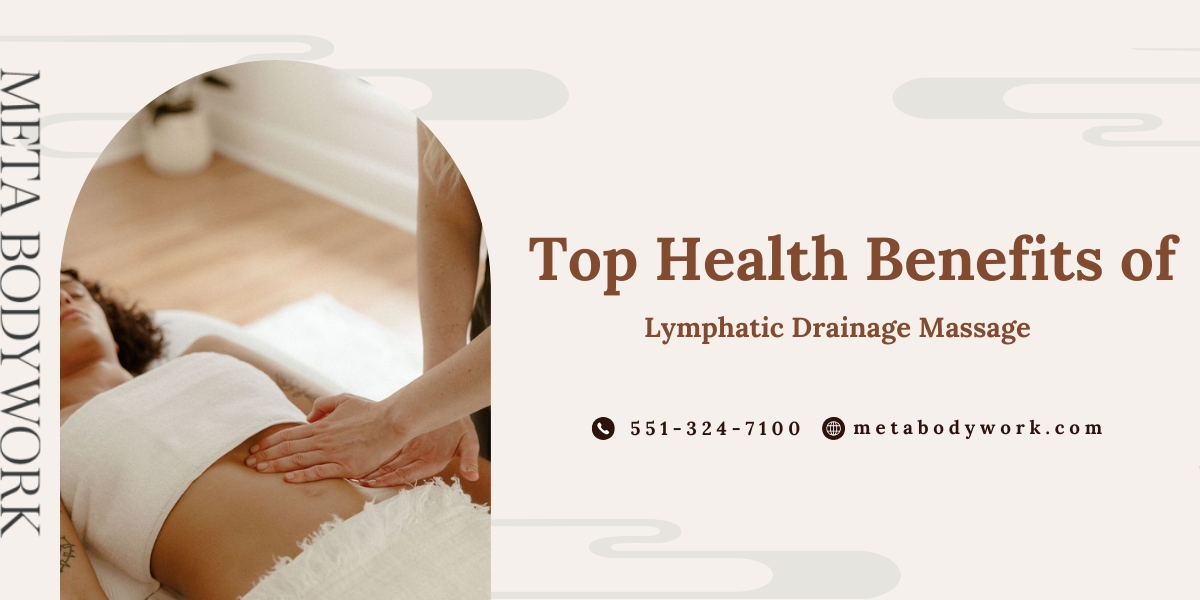
A lymphatic system massage uses light, sweeping strokes applied in a specific direction toward the lymph nodes, most often in the neck, underarms, and groin. The pressure is far lighter than most people expect from a massage, since lymphatic vessels sit close to the skin’s surface and heavy pressure can work against the goal of moving fluid efficiently.
What Are The Real Benefits of Lymphatic Drainage Massage?
The strongest evidence for lymphatic drainage massage relates to managing certain types of lymphedema. Other benefits discussed below have more limited evidence.
Does It Help Reduce Swelling And Fluid Retention?
Yes, and this is the benefit backed by the most consistent evidence. Manual lymphatic drainage is commonly used to manage lymphedema, a condition where fluid builds up in the body, often after lymph nodes are removed or damaged during cancer treatment. Many clients without a clinical diagnosis also report relief from general fluid retention and leg puffiness after long periods of sitting.
Can It Support Recovery After Surgery?
Manual lymphatic drainage may be used as part of recovery after certain procedures, but its benefits and timing depend on the surgery. Always follow your surgeon’s advice and obtain clearance before treatment. Anyone considering this after a procedure should confirm timing with their surgeon, since some sites need healing time first.
Does It Ease Tension And Support Relaxation?
Beyond its physical effects, a lymphatic drainage session tends to feel deeply calming. The slow, gentle strokes make it easy to relax, and many clients treat the session as a chance to slow down and de-stress. It is common to leave feeling noticeably lighter, both physically and mentally.
Can It Help With Sinus Pressure or Skin Appearance?
Facial and neck-focused lymphatic work is sometimes done along the jawline and neck. Some people report temporary relief from facial puffiness or a feeling of congestion, but evidence for treating sinus pressure is limited. It should not be presented as a treatment for sinus conditions. Some clients also hope for smoother-looking skin, since reduced fluid retention can temporarily improve surface texture.
How Is It Different From a Regular Massage Therapy Session?
A typical massage therapy session, such as Swedish or deep tissue work, focuses on muscle tissue using moderate to firm pressure to relieve tension and knots. Lymphatic drainage works at a much shallower level and follows a specific directional pattern rather than working out individual muscle groups. The two approaches can complement each other, but they are not interchangeable, and a therapist trained in lymphatic technique will use a noticeably different touch.
What To Expect From Massage Therapy In Jersey City
For anyone booking massage therapy in Jersey City focused on lymphatic work, sessions typically run 30 to 60 minutes. A trained therapist will ask about recent surgeries, medications, or health conditions beforehand, since certain issues, including infections or specific heart or kidney conditions, require extra caution. During the session, expect gentle, gliding pressure rather than kneading, and staying hydrated afterward is generally recommended.
Who Should Consider This Type of Massage?
- Anyone cleared by their surgeon for lymphatic work after a procedure involving lymph node removal or significant swelling
- People who regularly experience puffiness or heaviness in the legs
- Clients seeking a gentler alternative to deep tissue work
- Anyone under high stress who wants a calming, low-pressure session
Lymphatic drainage massage is not suitable for everyone. People with active infections, blood clots, certain heart conditions, or kidney problems should speak with a healthcare provider before scheduling a session.
Frequently Asked Questions
How often should I get a lymphatic drainage massage?
It depends on the reason for treatment. There is no standard schedule for general wellness. Frequency depends on your goals, health, and how you respond to treatment.
Does lymphatic drainage massage hurt?
No. The pressure used is light, and most clients describe the sensation as gentle and soothing.
Is lymphatic drainage massage the same as a detox?
Not exactly. The massage supports the body’s own fluid movement and filtration process rather than removing toxins in a way that can be measured directly.
Can I get this massage if I am pregnant?
Many pregnant clients receive lymphatic work for swelling in the legs and feet, but it should be performed by a therapist trained in prenatal massage and only after clearance from your healthcare provider.
How long do the effects last?
This varies by individual. Some notice reduced puffiness for several days, while ongoing conditions like lymphedema typically require a consistent schedule to maintain results.
If you are curious whether a lymphatic drainage massage in Jersey City fits your wellness routine or recovery plan, scheduling a consultation with a trained therapist is the best way to find out.