
Summary
Postpartum recovery isn’t just about the body. It’s the mind and hormones adjusting too. A spa massage in Jersey City eases both physical and mental strain, supporting new moms through every part of the fourth trimester.
Introduction
Pregnancy is a rollercoaster ride, but postpartum is no less of one. While your entire focus is on your child, your body is dealing with broken sleep, hormonal imbalance, and healing tissue, all of which need care and rest. That’s exactly where massage therapy comes into the picture.
It’s targeted bodywork designed to relieve physical strain and mental stress, giving you the much-needed break your body has been asking for. If you’ve been searching for a spa near me that actually understands postpartum recovery, you’re in the right place.
While you’re already an amazing mom, taking out time for yourself is necessary. It helps you show up better for the little one who needs you. Before you dismiss the idea entirely, let’s take a closer look at postpartum massage and its benefits.
Postpartum Massage: What Exactly Is It?
Postpartum, or postnatal, massage is a customized approach designed specifically for new moms. It relaxes the body, relieves pain, reduces stress, and offers a range of other health benefits.
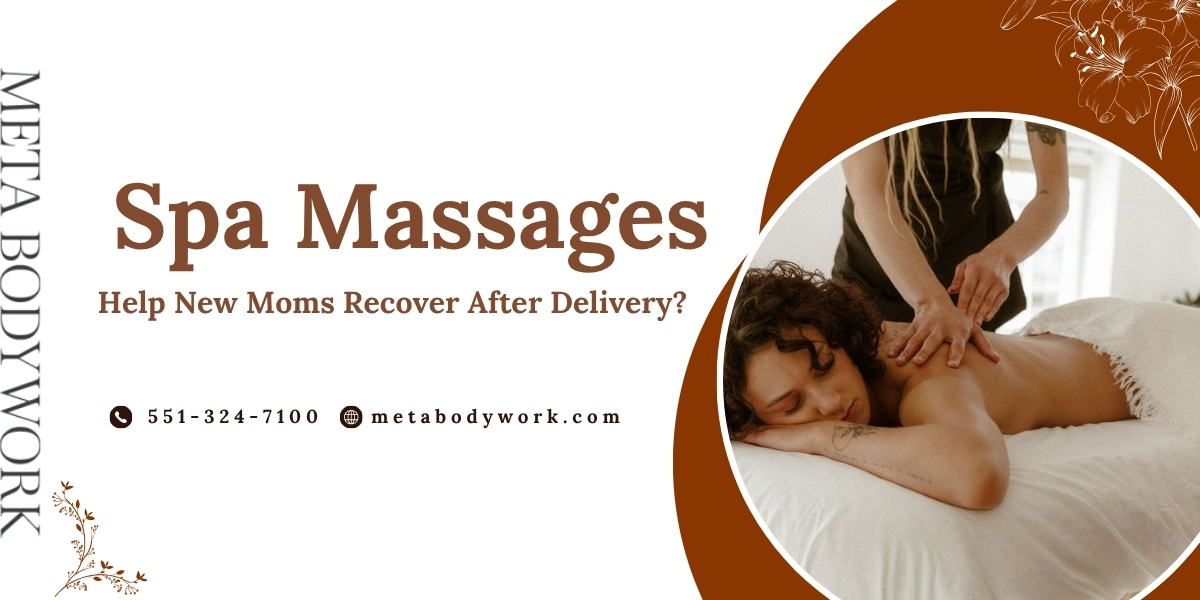
At META Bodywork, we offer META MAMA, massage therapy in Jersey City, tailored specifically for women in their postpartum phase. The experience is built around comfort. Moms lie face-down on a special cushion that keeps pressure off tender chests, or settle into a reclined position or side-lying posture, whichever feels best. From there, the therapist works through the shoulders, back, legs, feet, and hips, with careful attention to the abdomen only when you feel ready for it.
The massage focuses on loosening tight muscles, promoting relaxation and improving overall comfort.
The entire space, session, and atmosphere are built around you, just you and the care you deserve.
Why Do Women Need Postpartum Massage?
There’s a lot of discussion around why women need massage therapy after childbirth, yet many new moms are still unclear on the real reasons. Here’s a quick look at some of the most important ones.
Muscle Aches And Tension
Postpartum recovery can cause soreness and muscle tension in the back, hips, neck, and shoulders. Gentle massage may help relax tight muscles and ease discomfort.
Stress And Emotional Fatigue
Caring for a newborn can be physically and emotionally tiring. Gentle massage may help reduce everyday stress, promote relaxation, and give new moms time to rest.
The Real Benefits of Postpartum Massage: Why Does It Work?
Research on the benefits of postpartum massage is still evolving. Even so, sessions are known to offer the following benefits that support a mom’s recovery.
- Less swelling:
Swelling is common after pregnancy as the body gets rid of extra fluid. Gentle massage may improve circulation and help ease swelling and discomfort.
- Stress relief and relaxation:
Massage may help new moms relax and reduce stress after childbirth. It can be especially helpful when dealing with physical discomfort and the challenges of caring for a newborn. This can make a real difference through the challenges of early motherhood.
- Pain relief:
Abdominal, back, hip, and neck soreness after pregnancy can increase stiffness and discomfort. Massage helps relax those sore muscles and relieve pain.
- Relief from breastfeeding-related muscle tension:
Breastfeeding and feeding positions can put extra strain on the neck, shoulders, and upper back. Postpartum massage may help ease this muscle tension and help you relax.
- Better sleep:
Massage eases the physical fatigue that comes with labor and delivery while promoting relaxation and deeper sleep. This might help new moms feel rested and comfortable.
- The best part: a midday nap!
As a new mom, you’re likely running on a tight, unpredictable schedule that leads to disturbed sleep. A gentle massage calms the body and can give you the first stretch of uninterrupted rest you’ve had in weeks.
When to Get a Massage After Delivery?
The right time to get a postpartum massage depends on how you delivered your baby.
For a vaginal birth, it’s generally considered safe to begin gentle massage sessions within the first or second week.
For a C-section, your body needs more time to heal. It depends on how you feel and how your recovery is progressing. Therapists typically recommend waiting 4–6 weeks and getting medical clearance before booking any massage session.
NOTE: Regardless of delivery type, always confirm with your doctor how long you should wait before your first massage session.
Wrapping Up
Postpartum recovery isn’t a one-day thing. It’s days and weeks of giving your body the time it needs to heal and recover. While massage isn’t a quick fix, it can genuinely help you cope through this phase. Massage relaxes your muscles, relieves pain, reduces stress, and improves sleep, all of which matter for your overall health.
At META Bodywork, we offer META MAMA, specially designed massage therapy for pregnant women and nursing mothers, built around what their bodies actually need.
Whenever you feel ready, we’d love to welcome you in. Come, take that hour for yourself; your body will thank you for it. As a new mom in Jersey City, you can search for postnatal massage near me or check our website for details.
Frequently Asked Questions
Can I bring my baby to the massage session?
It’s generally best to arrange a babysitter if possible. Even for just an hour, this will help you relax and unwind fully.
How is postpartum massage different from a regular massage?
Postpartum massage uses special face-down cushions for nursing moms. It’s also gentle around sensitive areas like an incision site or the abdomen, something a regular massage isn’t specifically designed to address.
How does postpartum massage help with physical recovery?
Some of the ways postpartum massage supports physical recovery include:
- Reducing swelling
- Relieving muscle ache
Is it safe to get a massage if I'm breastfeeding?
Yes. Nursing mothers can receive postpartum massage. But those struggling with pain, complications, or recovery concerns should check with their doctors before booking any sessions.
Does it help with back and shoulder pain from holding the baby?
Yes. Targeted bodywork during postpartum massage helps release tension in the neck, lower back, and shoulders, easing the strain that builds from holding and feeding positions.